
The less-is-more approach to content performance

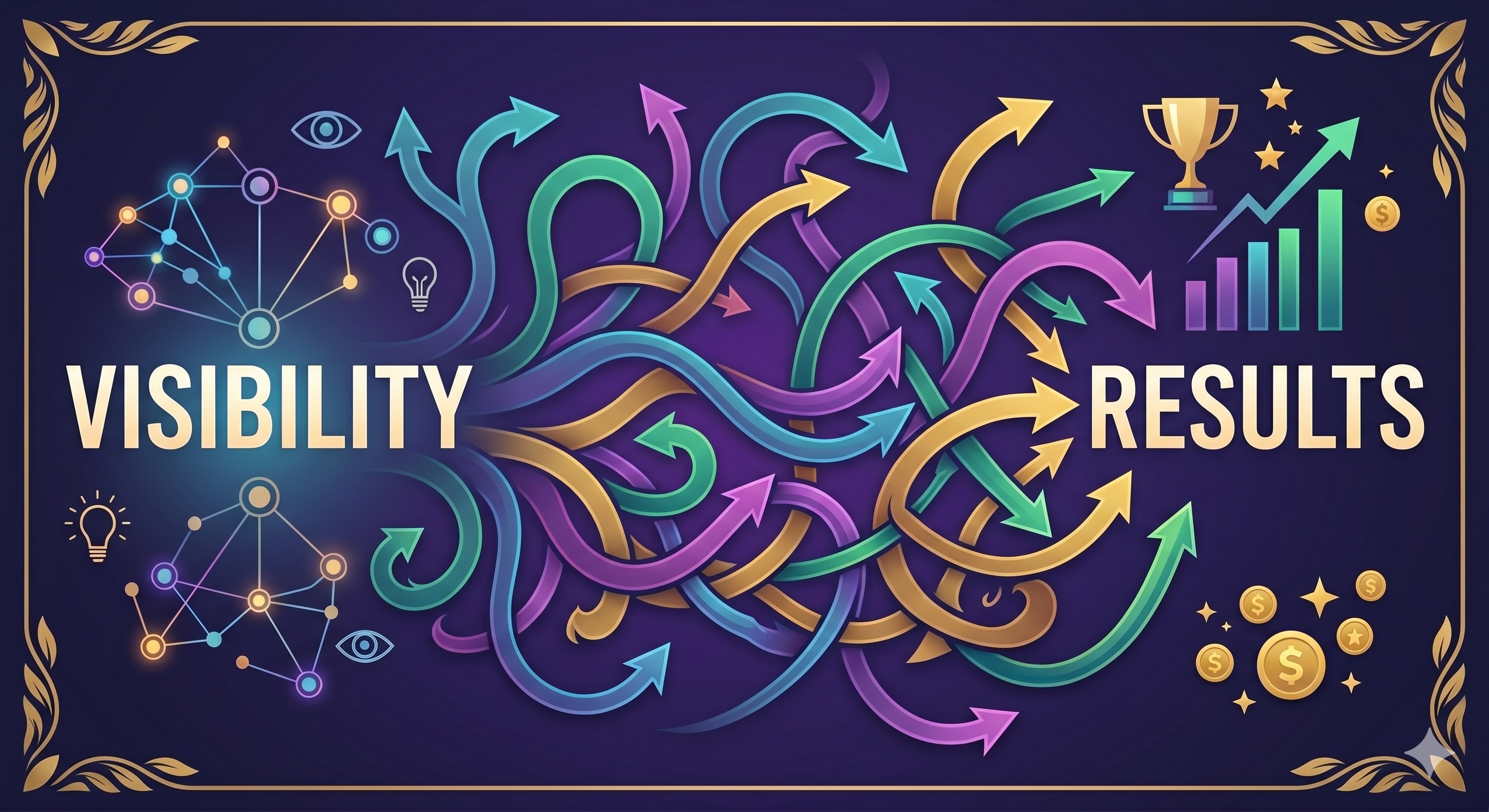
For years, content strategy has been treated as a volume game: The more articles, campaigns, and social posts you have, the more likely it is that you’ll create opportunities to be discovered.
Right?
This may have worked in the past, or at least seemed like it was working. With more content your traffic increased, and your content libraries expanded. But beneath the surface, much of that content wasn’t driving meaningful outcomes – it was simply adding to the pile, so to speak.
Today, that approach has broken down. This is happening for two reasons. One, AI has laid many things bare – like the fact that if you’re keeping obsolete content around, it might still pop up in LLM queries. Two, the organizational pressures are real. If you’re a marketing team leader in today’s environment, it’s likely that your company’s finance department is scrutinizing budgets more than ever. Is this performing? Could this be done with AI? What is content’s real role in outcomes? Shouldn’t this be measurable?
Output doesn’t equal outcomes
Many organizations still operate content like a production pipeline. Ideas go in, assets come out, and success is measured by output – how much was published, how quickly it shipped, and whether it generated traffic.
This model was built for an era where distribution was the bottleneck. When search engines and social platforms rewarded freshness and frequency, producing more content increased your chances of being seen. But in a world shaped by AI-driven discovery, that dynamic has completely changed.
Content is no longer competing for space, but for selection. AI systems don’t return long lists of options. They synthesize, filter, and recommend. In many cases, they reduce thousands of potential sources into a handful of outputs or even a single answer. That means producing more content doesn’t necessarily increase your chances of being chosen. In fact, it often creates more redundancy, more confusion, and less clarity about what actually works.
When content is created without a clear understanding of what drives outcomes, volume quickly turns into noise. Content teams end up with libraries full of overlapping ideas, pages that say similar things in slightly different ways, and experiences that don’t align with the intent users arrive with. There’s also often old content lying around that may use outdated marketing language or talk about product features that have since been deprecated. It’s inefficient, but worse, it also actively works against your brand when it comes to its ability to be spotlighted by LLMs. When everything is being produced, very little is being learned – and worse, what LLMs are learning from your content might not be what you want them to.
Content intelligence: Now needed more than ever
If what you just read sounds familiar, the diagnosis is actually quite simple: You’re probably still treating content as a pipeline when you should be treating it as an intelligent system. In this model, content isn’t just something you create and publish, but rather something you continuously refine. You create a system that learns from user behavior, adapts based on performance signals, and connects discovery to outcomes.
Content intelligence is how you get there. Dashboards filled with surface-level metrics don’t go far enough. You need a deeper understanding of how content performs across the full journey – before a visit, during the experience, and after the interaction. This is particularly crucial because, thanks to AI-shaped journeys, the initial moment that a user lands on your content is no longer necessarily the beginning of their journey. It’s often somewhere in the middle of a much longer, less predictable path.
Users may arrive after extensive research, with expectations already shaped by AI. Others may land directly on a highly specific page that was never designed to serve as an entry point. In both cases, the content they encounter has to do more than inform; it has to orient them, build confidence, and guide them forward. It doesn’t matter how much content you have, or even how much traffic it’s getting, if visitors aren’t seeing the messaging and user experience that’s going to help them continue their journeys.
Without a clear understanding of that context, even high-quality content can fall short. It may be too basic, too advanced, or simply misaligned with what the user needs at that moment. And this has real implications for your business outcomes. Knotch’s research has found that visitors who used AI in their journeys are four times more likely to convert, but that conversion won’t happen if they aren’t seeing the content that’s right for where they are in that journey.
How to reframe your thinking for this new approach
A less-is-more approach to content performance starts by asking a different question: Instead of “What should we create next?” ask “What’s working?” Look closely at which pieces of content drive progression, where users are getting stuck, and what signals are indicating that content is building trust or creating friction.
Depending on your answer, your solution in that situation may not even be to create new content at all. It may be to refine what already exists, update it to better match user intent based on new insights, or to potentially create new pathways or CTAs so that a piece of high-impact content that isn’t being seen enough can surface more naturally.
Or you may still end up creating the same amount of content as before. The point is not necessarily to create less, but rather to build a more focused, more effective system. This helps you reframe the idea of scale: Scaling your audience impact no longer means producing as much content as possible, because volume and reach don’t correlate like they used to. Today, scale comes from content intelligence and optimization. And this will look different for every individual content team.
Success looks different, too. It’s no longer enough to measure how much content you publish or how much traffic it generates. Those metrics on their own don’t tell you whether content is doing its job. A less-is-more approach will reduce waste – and probably make your finance department happier in the process – but more importantly, it will unlock performance.
Published on April 29, 2026
Become a thought leader
Become a thought leader






Trusted by the largest (and now smartest) brands in the world.
“Before Knotch we did not understand what content was driving business results. Now we understand which content moves the needle. Knotch’s cohesive reporting and insights paint a real picture of what’s happening on our website instead of the patchwork quilt that comes from a Google Analytics approach. With Knotch we have been able to re-prioritize ad spend, route better leads to our SDR team, and inform our content development initiatives.”

"The Knotch platform ensures that we deliver high-performing content tailored to young home shoppers, enhancing their experience and driving better business outcomes.”

"Our partnership with Knotch has been highly successful, empowering us to leverage data-driven insights and refine our content strategy.”
